In this article
A bigger crossing, with a bigger question attached
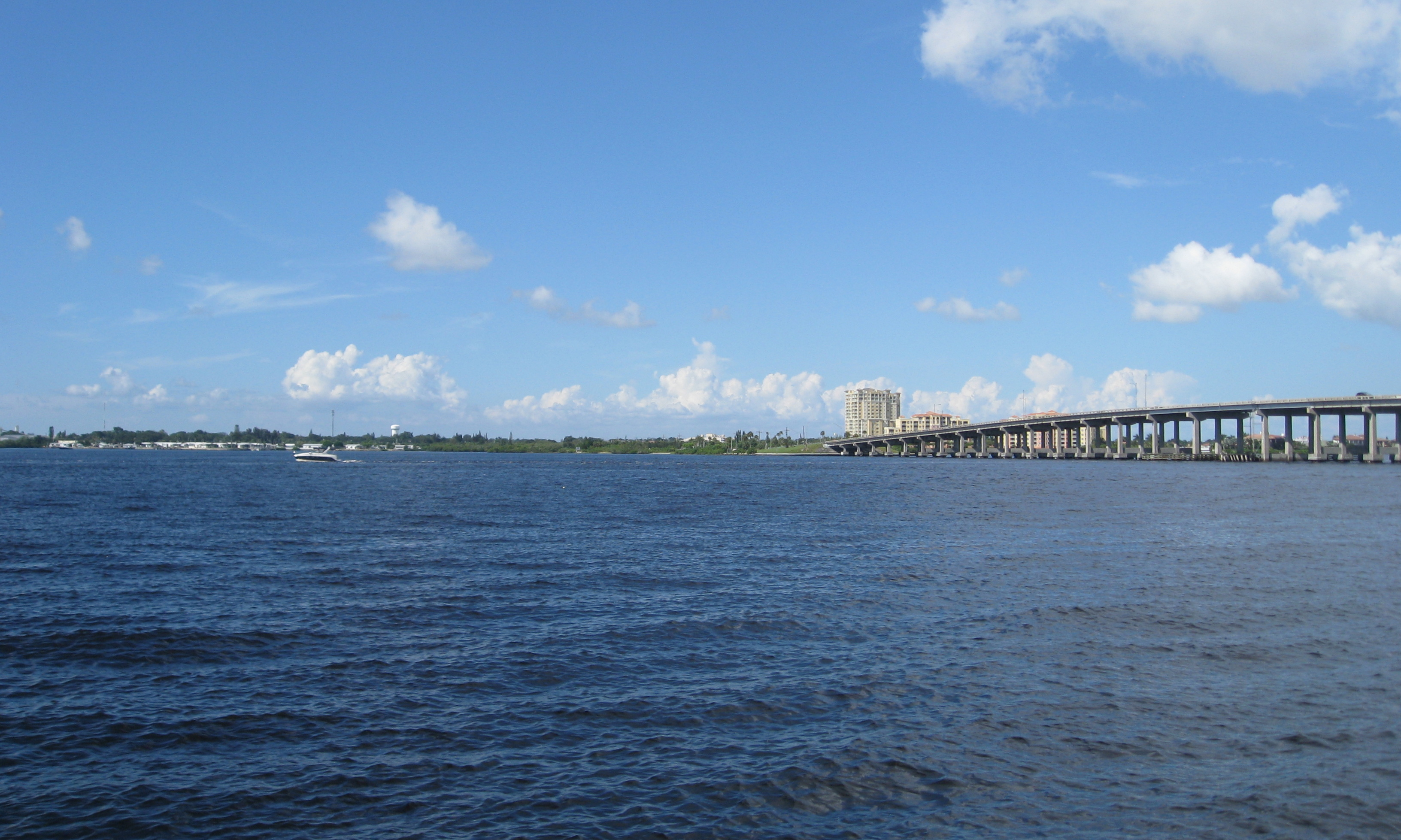
For Parrish residents whose trips take them through Palmetto into Bradenton, the DeSoto Bridge proposal is worth understanding before the next headline calls it simply a wider bridge. FDOT’s preferred plan would change the crossing and the roads approaching it, with express lanes that could carry tolls.
The Bradenton–Palmetto Connector study follows U.S. 301/U.S. 41 from 9th Street East in Bradenton to north of 25th Street in Palmetto. The details below come from FDOT’s July 2026 public-hearing materials, reviewed October 4. This is an explanation of that proposal, not an announcement that construction has begun.[2][1]
Six regular lanes, plus two express lanes
On the bridge, the preferred design shows six general-purpose lanes, two buffer-separated express lanes and shared-use paths on both sides. That is eight vehicle lanes altogether; the two express lanes are additional to the six regular lanes.
North and south of the crossing, the express lanes would run on an elevated structure above six ground-level travel lanes. They would transition to the bridge’s express lanes. FDOT labels the proposed express lanes as potentially tolled. The handout does not establish a toll price.
For drivers, the useful distinction is between the regular road and a separate express option. For people walking or cycling, the proposal also includes dedicated space across the river.[2]
The price tag—and the smaller interim option
FDOT’s comparison table puts the preferred alternative at a preliminary $916.2 million in 2026 dollars. That includes $732.1 million for construction, $73.2 million for design, $65.9 million for construction engineering and inspection, and $45 million for right-of-way.
A separate interim option would add two ground-level lanes from State Road 64 to U.S. 301. Its preliminary total is $277.4 million. Those are two different scopes; adding the two totals together would misread the comparison.
The table also estimates 21 residential relocations and one business relocation for the preferred alternative, compared with none for the interim option. These are projected impacts, not a report that anyone has already moved.
All figures are preliminary. The handout says the totals exclude utility relocations, environmental permits, contamination remediation and maintenance. They should not be read as final bids or guaranteed spending limits.[3][2]
What residents can—and cannot—take from this
FDOT’s project page still identifies the work as an engineering and environmental study. It records a July 16 public hearing and describes design, any required property acquisition and construction as later phases after study acceptance. The preferred concept alone is not a construction start date.
That matters when thinking about a commute from Parrish: the drawings show a possible future route, not extra capacity available for tomorrow’s drive. The hearing’s July 27 comment deadline has passed, although FDOT says it accepts written comments about the project at any time.
The most useful next milestones will be an accepted study, a funded construction schedule and clearer decisions about the express lanes. Until those are established in the public record, the honest takeaway is a specific proposal with substantial costs and neighborhood impacts still to work through.[1]
Sources & verification date
- FDOT · Bradenton–Palmetto Connector project 444843-1 ↗
Checked 2026-10-04 - FDOT · July 2026 public-hearing handout and lane diagrams ↗
Checked 2026-10-04 - FDOT · July 2026 evaluation matrix, preliminary 2026-dollar costs ↗
Checked 2026-10-04
Something changed, or something we should correct? Let Trenton know. Read our editorial standards.

.jpg)
